Case Study 01 / UX · Wearables · AI

ChatGPT,
now on your wrist.

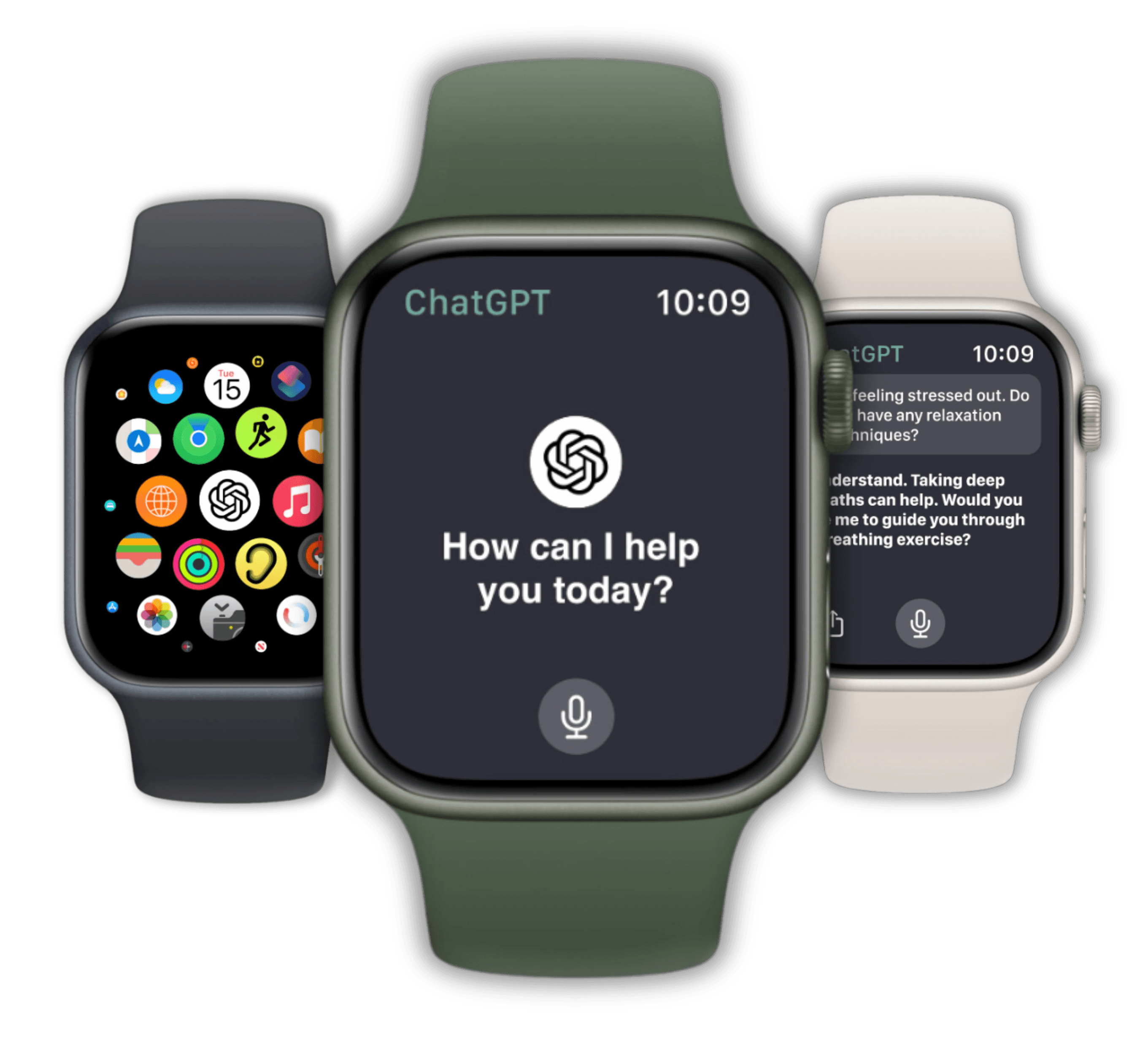
A concept watchOS app that brings ChatGPT's conversational AI to the Apple Watch, designed around how people actually use wearables: hands-free, in motion, and a glance at a time.

UX Design Wearables Voice-First Concept
ChatGPT Apple Watch App, hero mockup
Concept · 2024
Role UX Designer
Researcher
Platform watchOS
Apple Watch
Tools Figma
FigJam
Methodology Agile
User-centered
Type Self-initiated
Concept project
AI assistants live on every device except the one always on you.

OpenAI shipped ChatGPT to iOS, Android, the web, and the desktop, but not watchOS. For people who already lean on ChatGPT throughout the day, the moment they need it most often is also the moment a phone is least practical: walking, driving, cooking, in a meeting.

This case study explores what a thoughtful, voice-first ChatGPT experience for the Apple Watch could look like without trying to cram a chat window onto a 41mm display.

The work covers research, competitive analysis, prioritization, and end-to-end screen design for a concept that respects the constraints of the wrist instead of fighting them.

The Problem
ChatGPT lives on every screen people own, except the one strapped to their wrist. That gap turns the most contextual moments of the day into "I'll ask it later."
01
Enhance accessibility
Make ChatGPT reachable from the wrist in moments where pulling out a phone isn't practical: on the move, in the car, in the kitchen.
02
Lead with the voice
Treat voice as the primary input, not a fallback. Typing on a watch is friction. Speaking to it is the obvious affordance.
03
Respect the wrist
Design for glances, not sessions. Every screen should answer one question or invite one action, and then get out of the way.
01
Efficiency
Quick access to information without cumbersome navigation. The path from "I have a question" to "I have an answer" should be a single tap or phrase.
02
Convenience
Help me when a phone or laptop isn't realistic, whether mid-walk, mid-commute, or mid-task. A watch app earns its place by being usable in those exact gaps.
03
Reliability
Consistent performance, accurate responses, and a stable connection. On a watch, every loading state feels twice as long.
04
A friendly interface
An obvious surface: what to tap, what to say, and what to expect, all without a tutorial. People don't read on a 41mm screen.
Strong AI assistants exist. Strong AI assistants on the wrist don't.

I audited the major conversational AI players to see how each was approaching wearables, voice, and on-the-go use. The pattern was consistent: every competitor had a phone, web, and desktop story, but no real presence on watchOS.

Snapshot from 2024. Some products have since been renamed or rebranded.
Google Bard
Strength Tight integration with Google services and strong contextual understanding.
Gap No watchOS presence. Privacy concerns and an internet-only experience.
Bing Copilot
Strength Deep Microsoft ecosystem ties and personalized search responses.
Gap Limited third-party reach and zero wearable footprint.
Claude
Strength Customizable, flexible integrations, and a clean mobile UI.
Gap Smaller market presence and no watchOS app.
Apple Siri
Strength Native to the watch. Always one tap or "Hey Siri" away.
Gap Generic responses. Not built for open-ended conversation.
The opening
None of ChatGPT's direct competitors have a watchOS app. Shipping first means owning the category by default.
Urgent
Not urgent
Important
Do Urgent · Important
  • Develop the ChatGPT Apple Watch App prototype.
  • Conduct user research and testing for the app’s features and usability.
  • Design the user interface and experience for the app.
Schedule Not urgent · Important
  • Plan and schedule the app development timeline.
  • Create a comprehensive marketing strategy for the app launch.
  • Establish partnerships with influencers or tech blogs for app promotion.
Not important
Delegate Urgent · Not important
  • Routine administrative tasks related to project management.
  • Handling minor technical issues or bugs during app development.
  • Responding to non-critical emails or inquiries.
Eliminate Not urgent · Not important
  • Low-priority tasks that do not directly contribute to app development or promotion.
  • Time-wasting activities or distractions that detract from project focus.
  • Non-essential meetings or discussions that do not add value to the project.

Axes read urgency across columns and importance down rows: the classic Eisenhower frame.

Choosing what ships first.

I ran the feature backlog through an Eisenhower matrix to separate what's essential for a v1 from what's exciting but premature. Anything that didn't make a watch experience faster, clearer, or more hands-free moved out of scope.

The result was a deliberately small surface: sign in, ask, read, share. Everything else, including multi-thread management, image generation, and plug-ins, was deferred to a phone-first companion.

  1. Voice prompt as the primary entry point
  2. Single-thread conversation with scrollable history
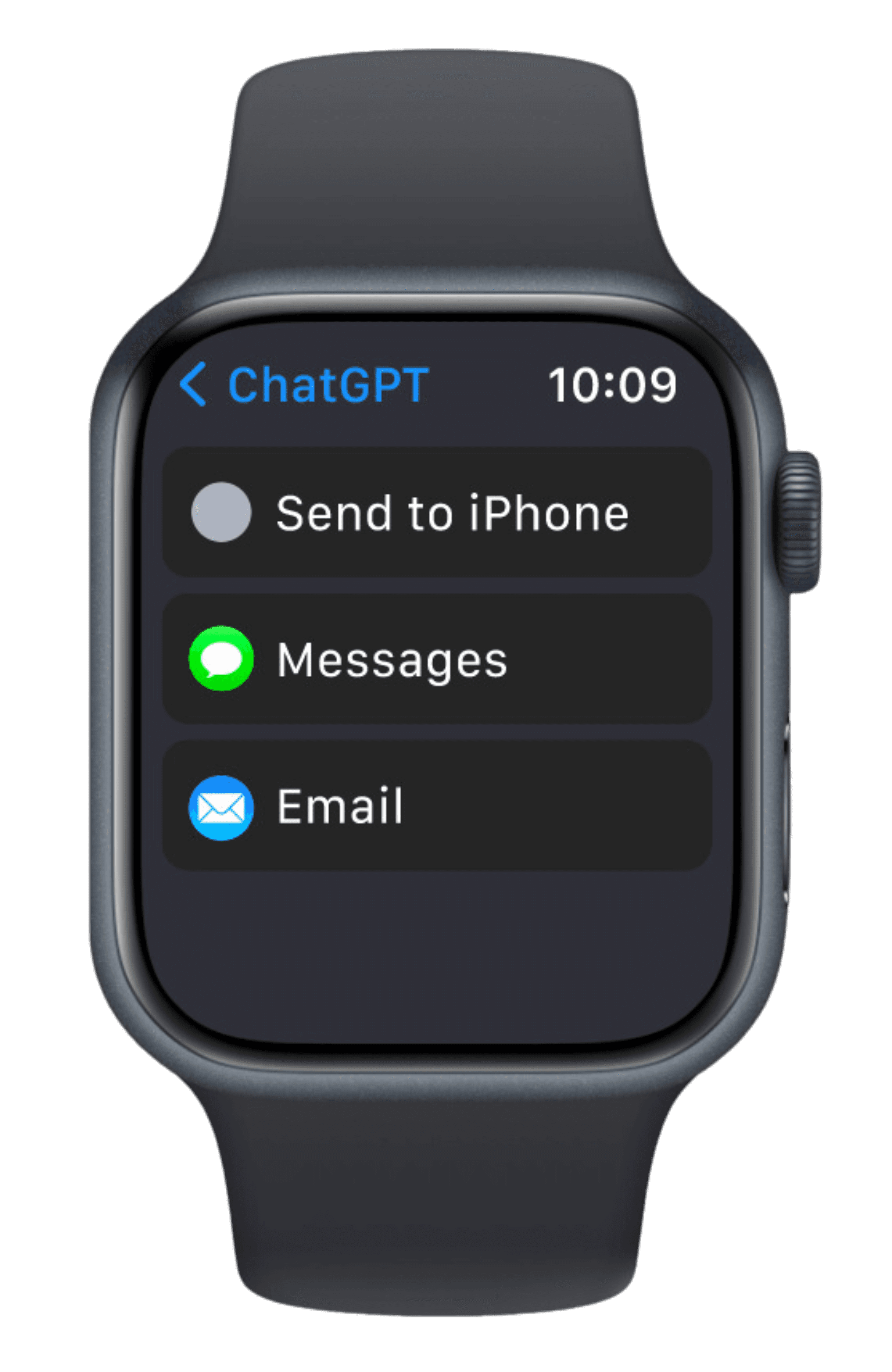
  3. Quick share to phone for follow-up
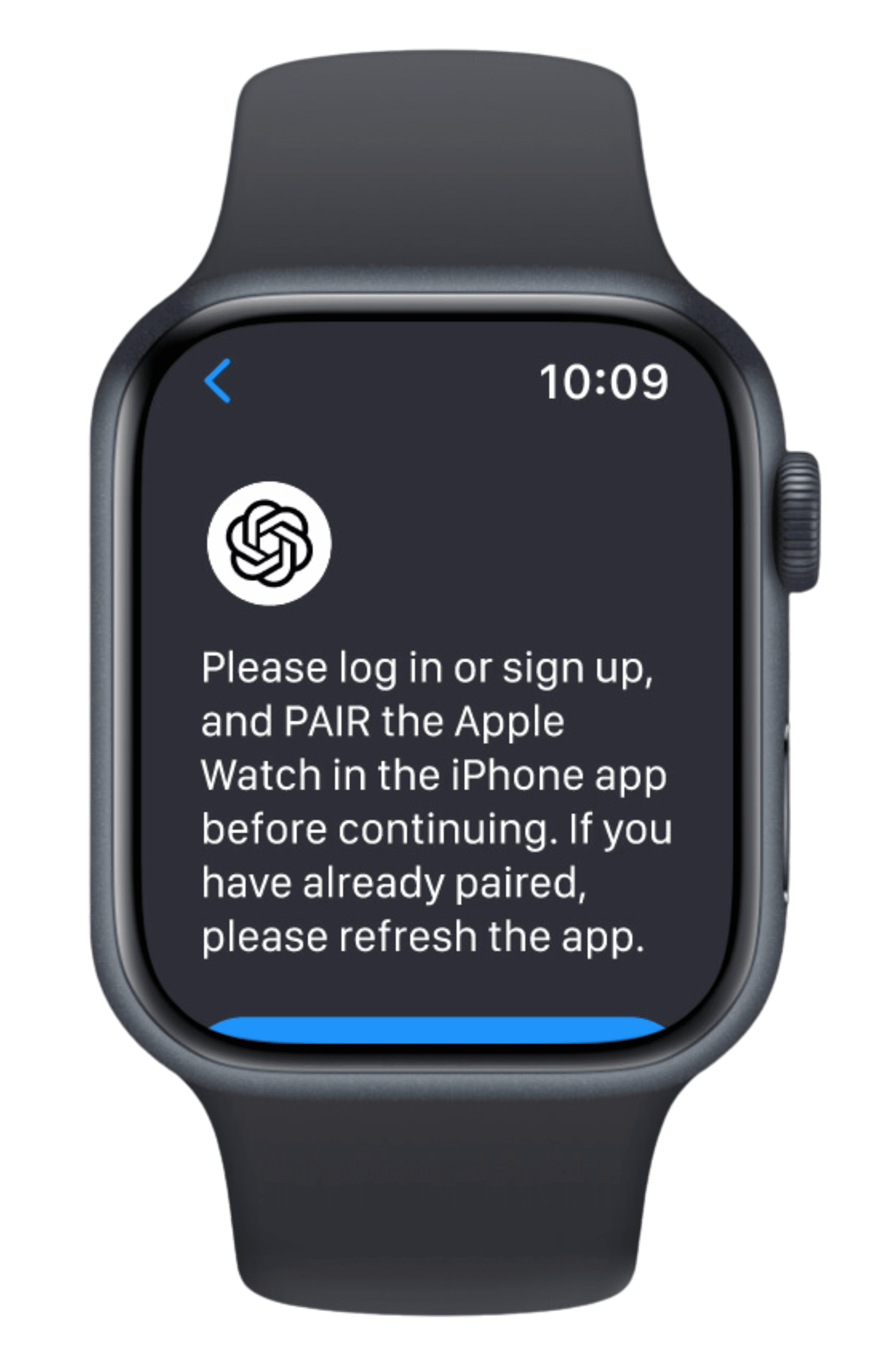
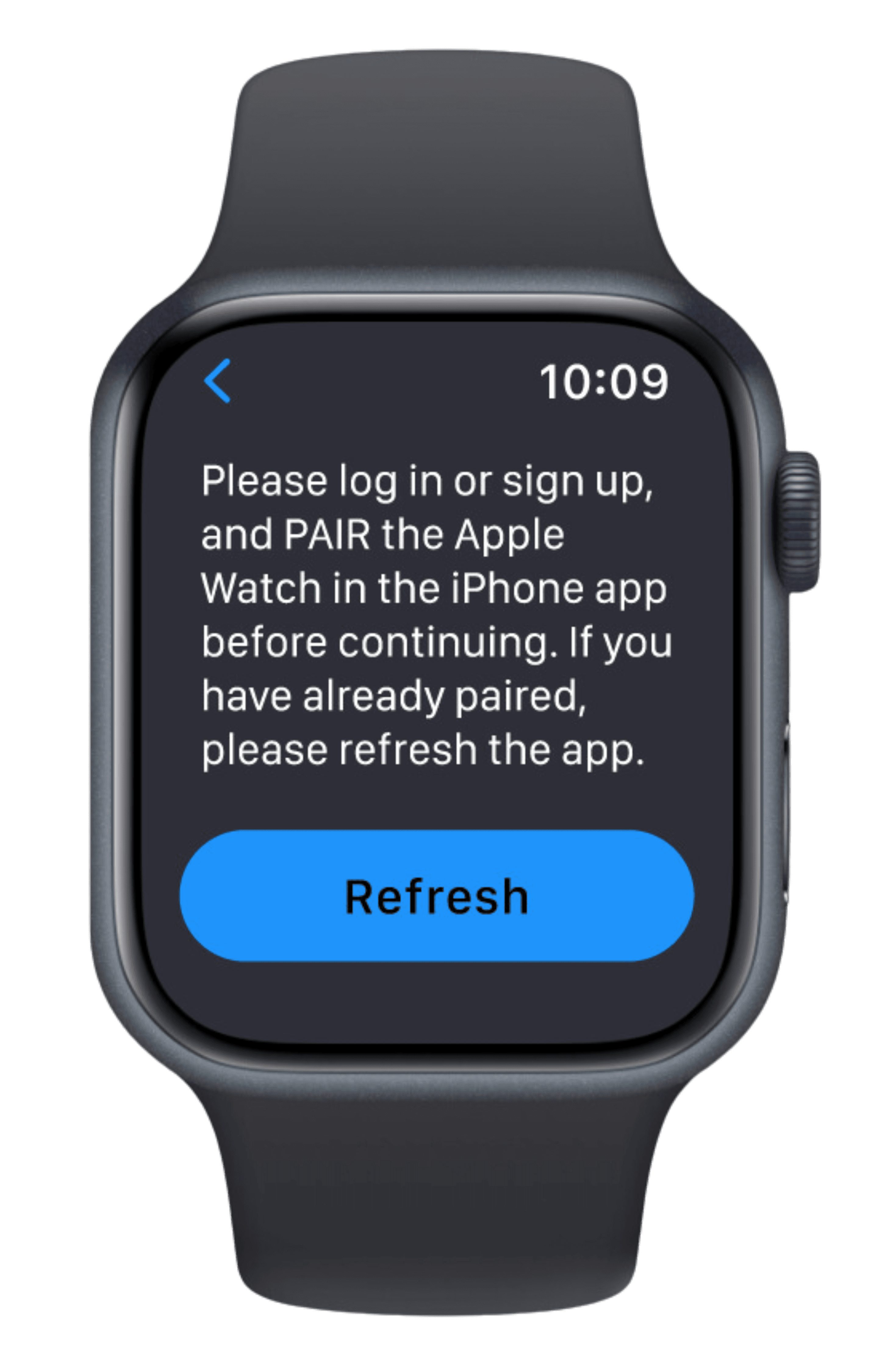
  4. Lightweight account flow with refresh fallback

Designed for glances,
built for the wrist.

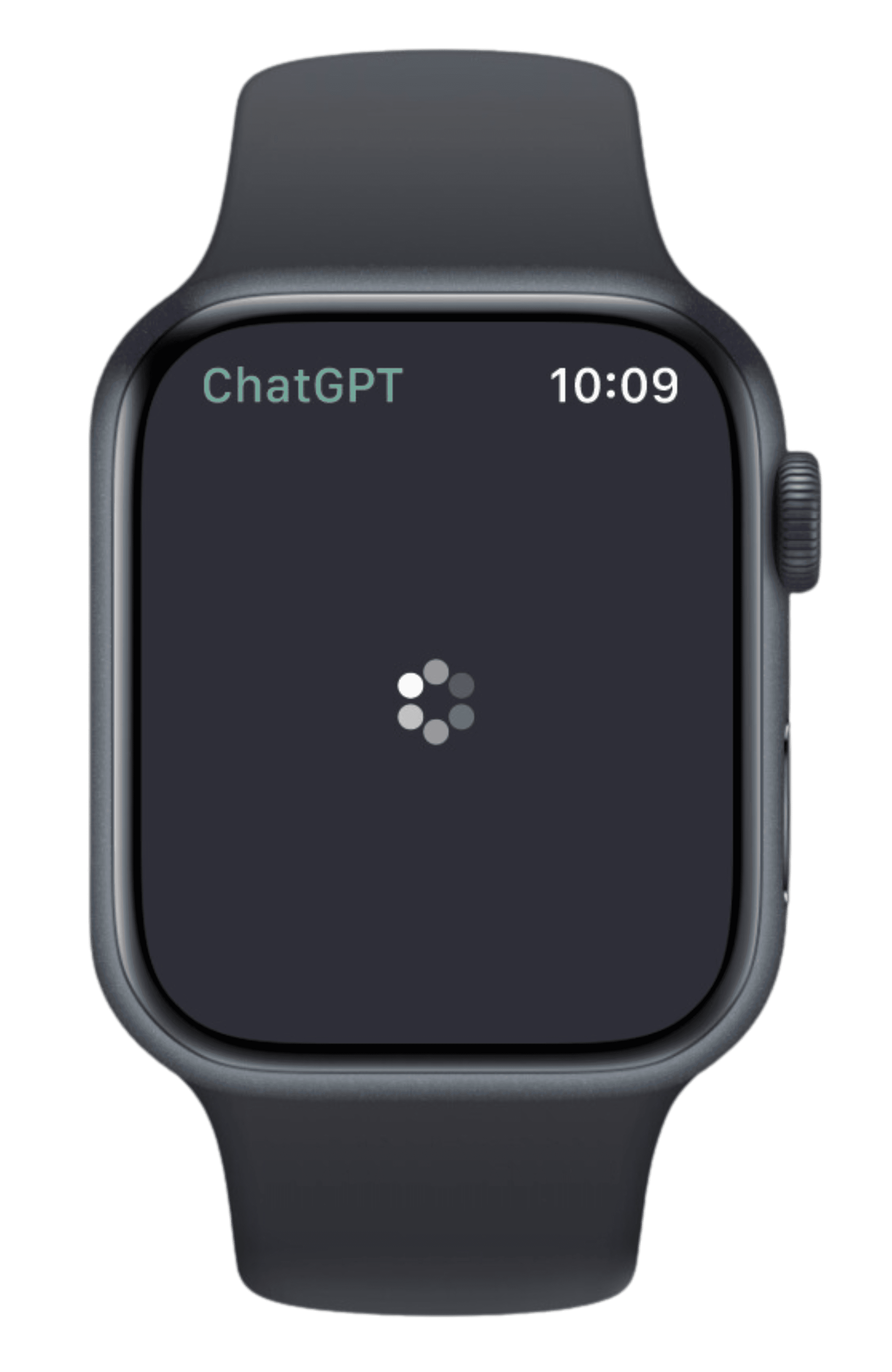
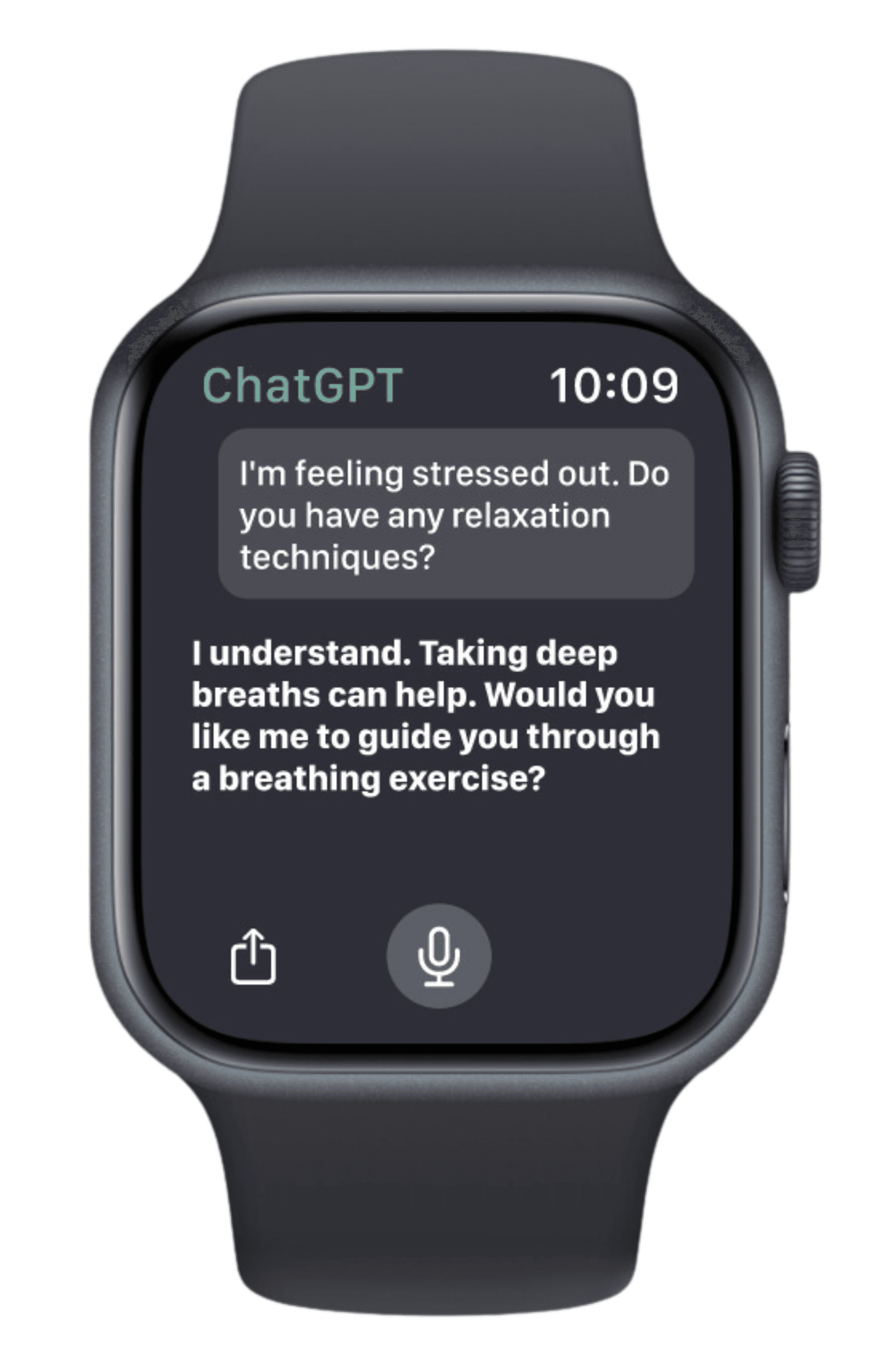
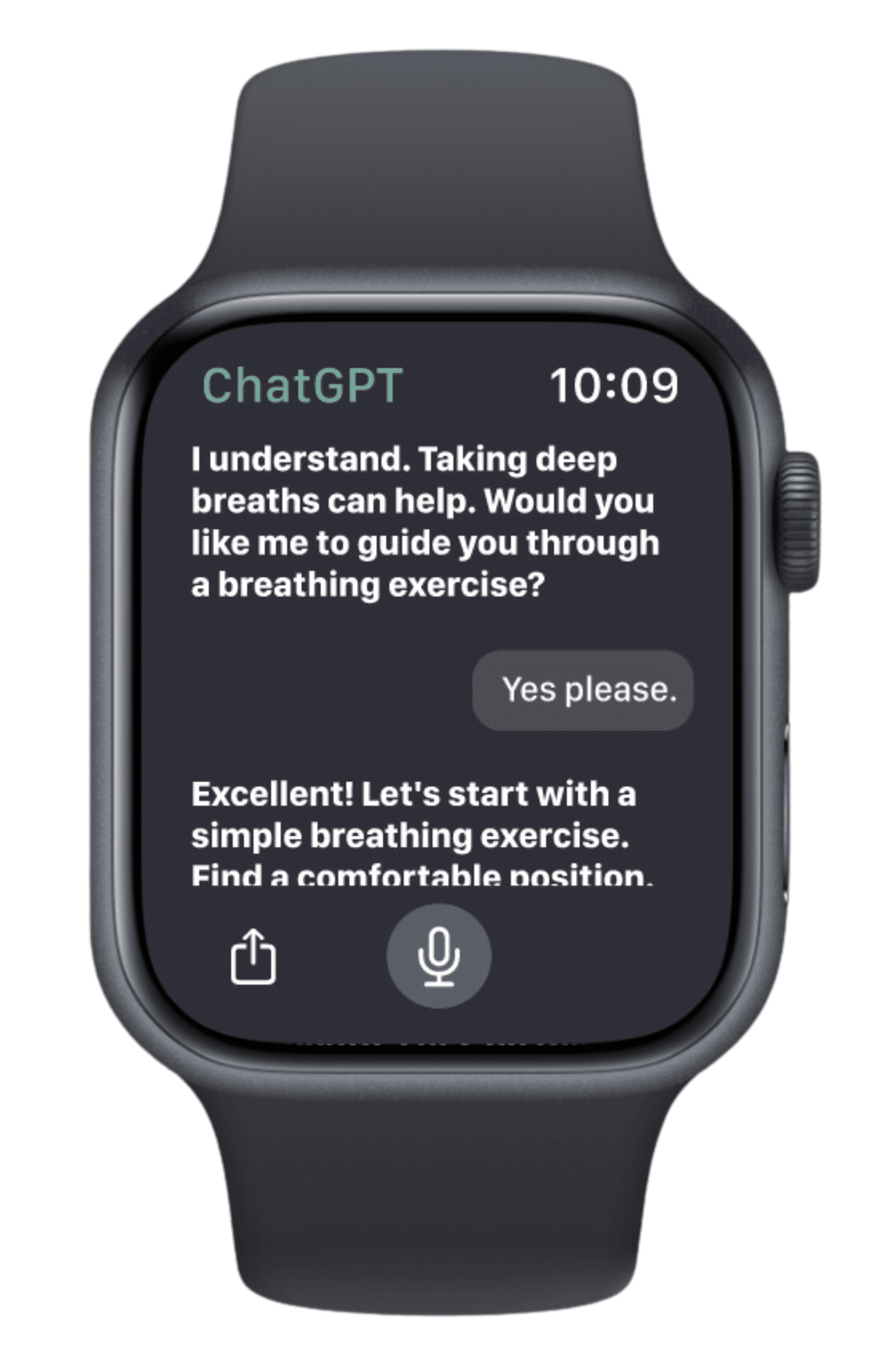
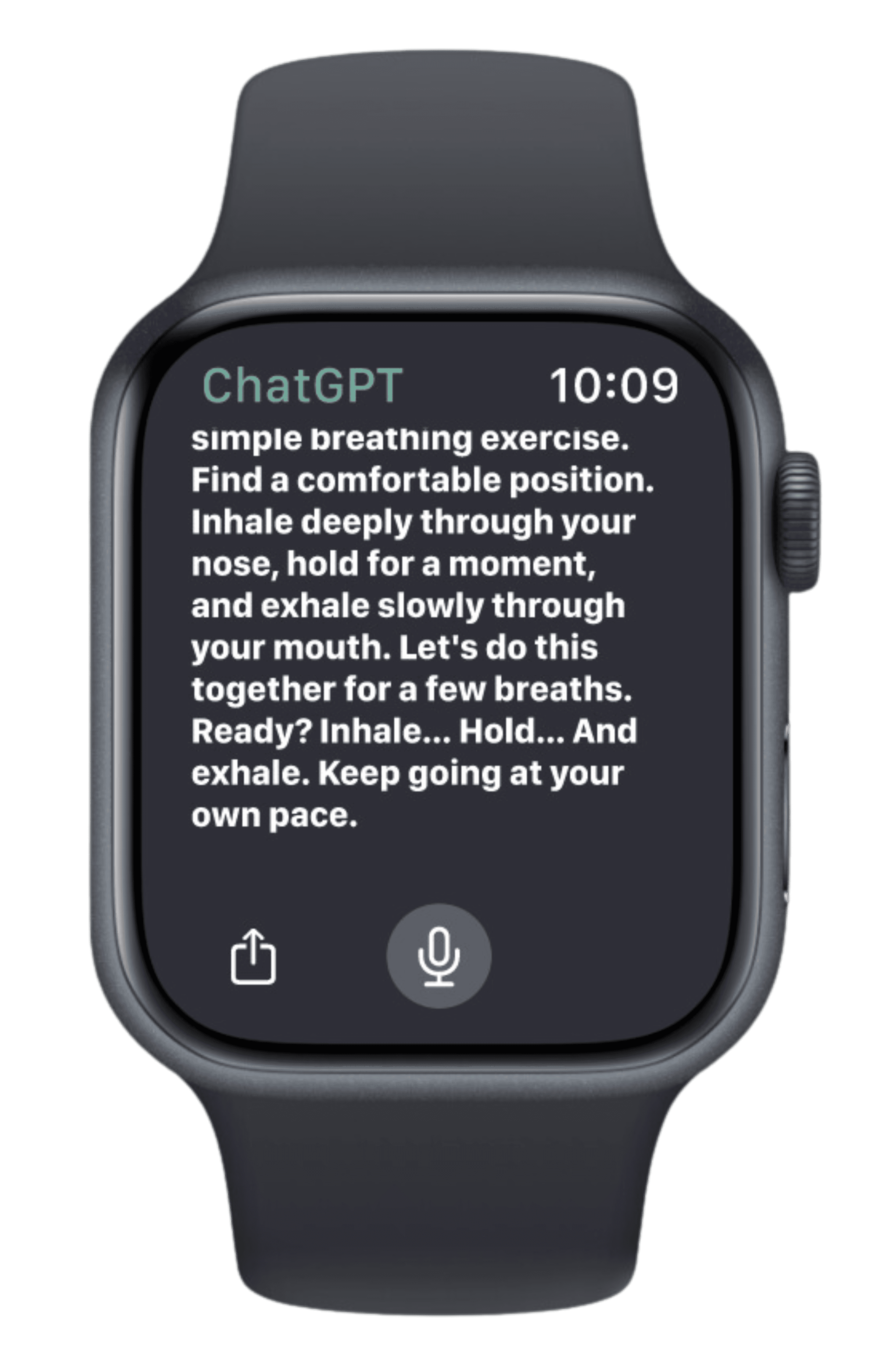
Every screen does one thing. Type is large enough to read at a glance, tap targets respect the watch's safe zones, and loading states use ChatGPT's familiar spinner so the experience feels continuous with the phone and web app.

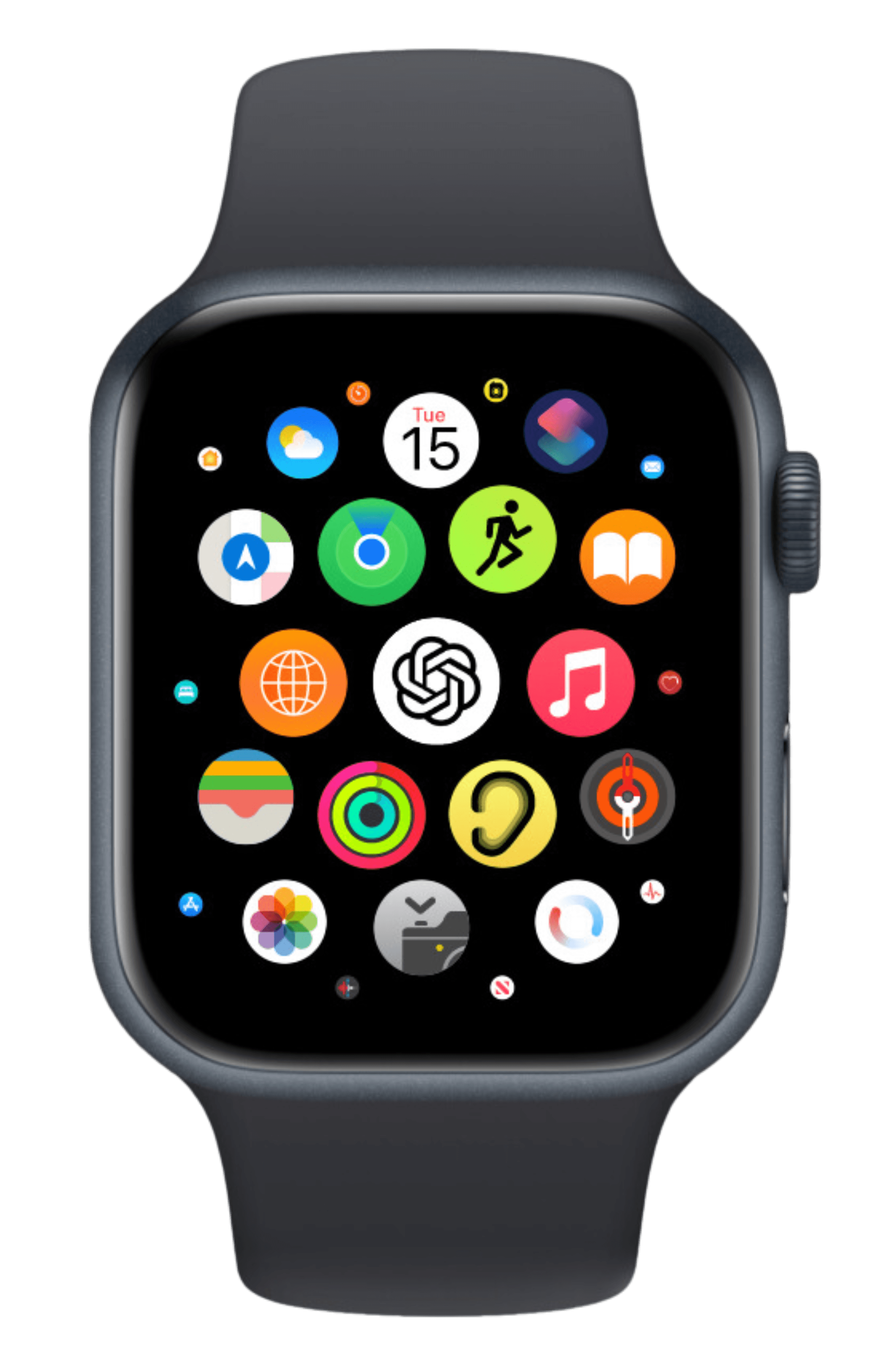
Watch home screen
01Watch Home Screen
Login screen
02Login
Login refresh state
03Login / Refresh
Loading overlay
04Loading Overlay
Main screen
05Main Screen
Thread demo
06Thread Demo
Thread demo
07Thread Demo
Thread demo
08Thread Demo
Share to phone
09Share
The wrist isn't a smaller phone; it's a different conversation.

The biggest learning from this project wasn't visual. It was editorial. Watch design forces you to cut. Every screen, every word, every tap target had to defend itself.

What started as "ChatGPT, but smaller" became something more honest: a quiet, voice-first surface that knows it's the third or fourth screen in your day, not the first. It doesn't compete with the phone; it covers the gaps the phone can't.

If shipped, the next iteration would lean even harder into the watch's native strengths: complications, Smart Stack widgets, and contextual prompts based on time and location.

Continue Exploring
All Case Studies →